-
-
-

-

-
-

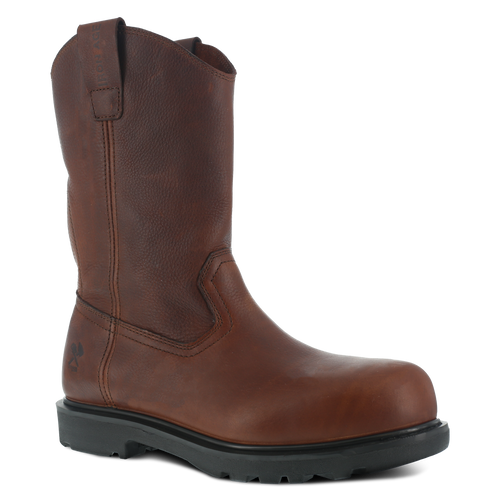
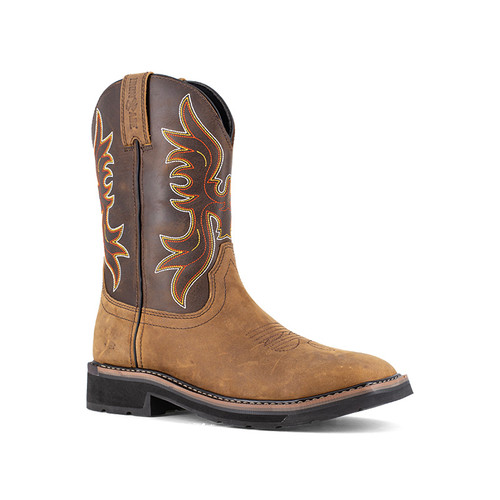
Solidifier Men's Brown 11" Pull-On Moc Toe Waterproof Work Boot - IA5093
Men's Composite Toe$179.99 -

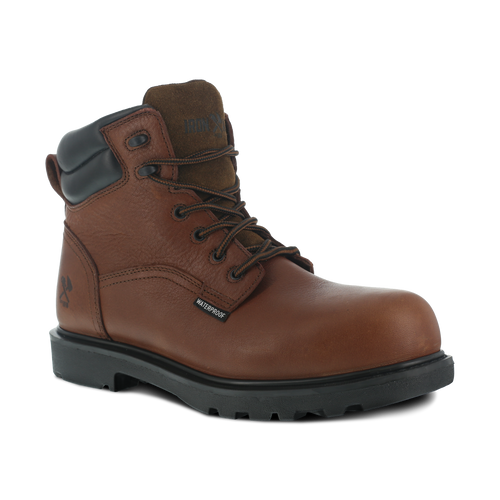
Compound Men's 8" Black and Brown Rubber Vamp and Leather Shaft Waterproof Work Boot- IA9650
Men's Composite Toe$185.99 -
-

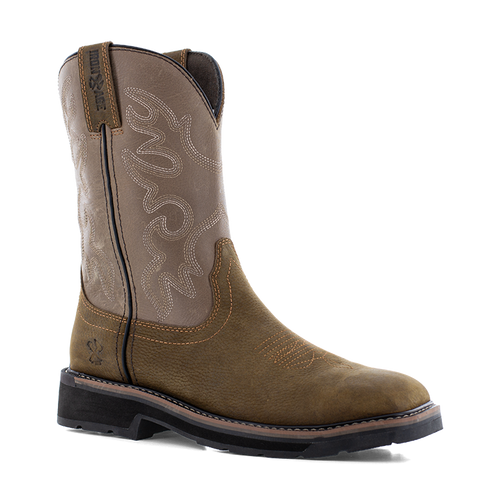
Solidifier Men's Brown 11" Pull-On with Cushguard™ Internal Met Guard - IA5092
Men's Composite Toe$167.99 -

-
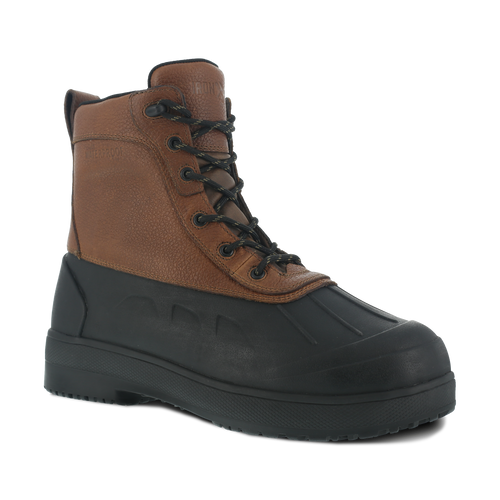
Compound Women's 8" Black and Brown Rubber Vamp and Leather Shaft Waterproof Work Boot - IA965
Women's Composite Toe$185.99 -

-
-
Reviews for Our Best Work Boots for Concrete Workers
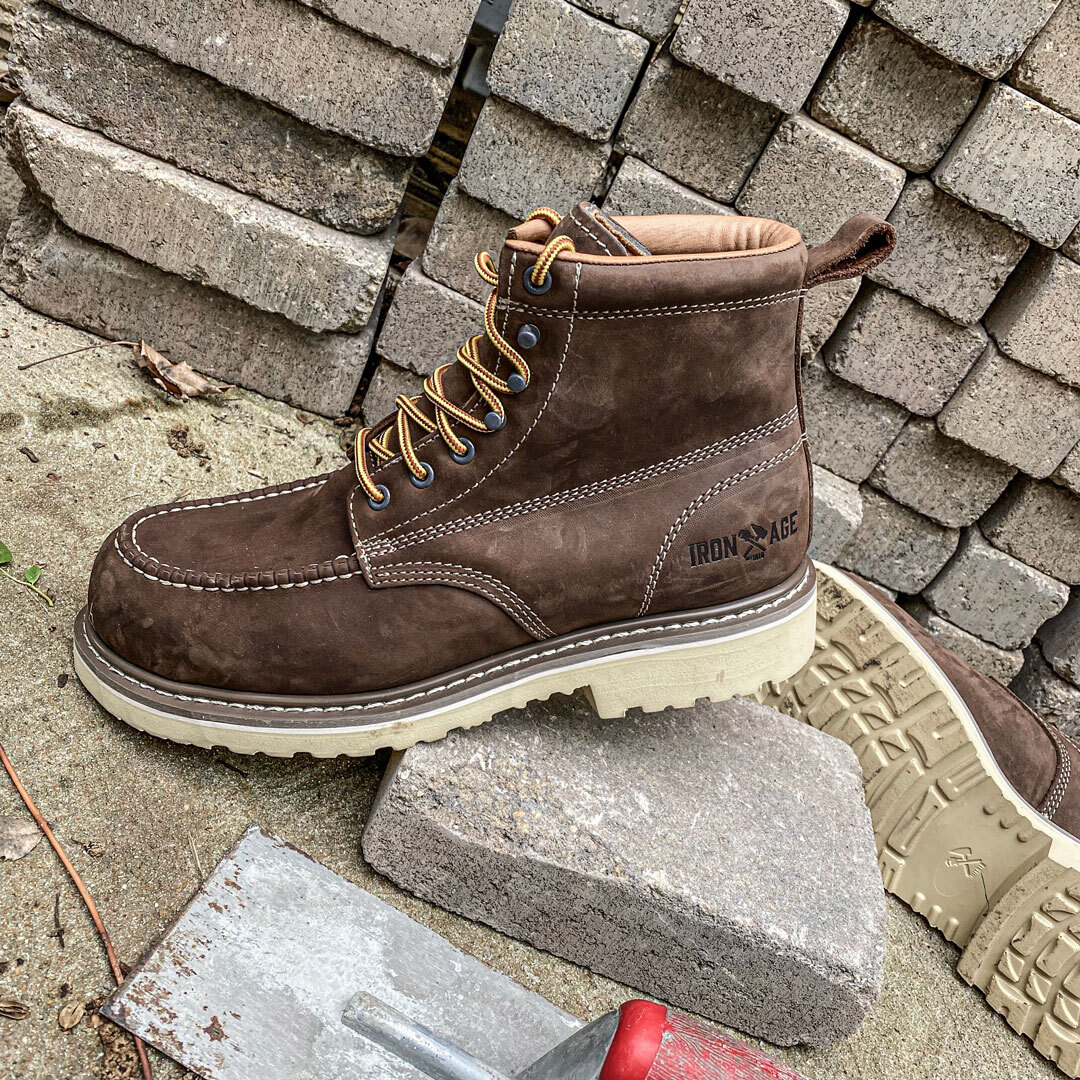
Rugged Boots for Concrete Workers & Masonry
Get the Best with Iron Age
Explore Iron Age's best work boots for concrete workers and masonry with added protection. Each pair is a powerhouse of rugged protection and built to take anything thrown their way. With safety features like composite toes, electrical hazard protection, defined heels, and more, there's a pair for you.
Comfort in Each Step
Being a stone mason, bricklayer or pouring concrete all day is hard work. Ditch your old uncomfortable work boots for ones that fight fatigue all day. Experience legendary comfort with memory foam footbeds and moisture wicking linings. Paired with advanced safety features, we're confident they're the best work boots for concrete workers and masonry.
FAQs for Concrete & Masonry Work Boots
Q: What is the difference between concrete work boots and regular construction boots?
A: Regular construction boots and concrete work boots have many safety features in common, but the biggest difference comes down to how they hold up against wet concrete. Slip resistant outsoles are important in both, but some concrete workers prefer flatter, wedge soles that don't pick up and track wet concrete like construction boots with defined heels or heavier treaded outsoles. Rubber outsoles also to stand up to cement exposure so that whether it's working wet cement or getting the dry cement off, your boots hold up against drying and cracking.
Q: What are the best work boots for concrete workers?
A: The best work boots for concrete jobs have a variety of safety features like steel or composite toes to protect against impacts, waterproofing to stand up to harsh chemicals in cement, and slip-resistant rubber outsoles for wet concrete surfaces. Some of our options also have electrical hazard protection in case you work near live wires. No matter which level of protection you choose, all of Iron Age's concrete work boots feature thick insoles to cushion your feet on hard surfaces.
Q: Are wedge boots good for concrete?
A: Yes, wedge sole boots are one of the best choices for concrete work. The flat, wide sole spreads your weight evenly, which reduces foot and knee fatigue when you're standing on hard surfaces all day. Wedge soles also leave fewer marks on finished concrete, which matters for masons and finishers. Iron Age wedge sole boots come with PU or slip-resistant rubber outsoles, safety toes, and EH protection to keep you safe on the job.
Q: Are steel toe or composite toe boots better for concrete work?
A: Both are safe choices since they both meet ASTM F2413 standards. Steel toe boots are tough and usually slimmer despite their heavy duty impact protection and heavier feel. Composite toe boots are lighter, don't conduct electricity, and don't get as hot or cold in extreme weather conditions. For most concrete workers, composite toe is a great option. Iron Age offers both so you can choose what the best fit for your job requirements and fit preferences.
Q: How long should work boots last for concrete and masonry work?
A: A good pair of work boots used daily on concrete usually lasts 6-9 months. Concrete is tough on boots and can wear down soles, dry out leather, and can weaken stitching if wet cement isn't cleaned off properly. Taking care of your boots by regularly cleaning them, letting them dry between shifts, and rotating pairs can help extend the life of your boots.
Q: Do concrete workers need waterproof work boots?
A: Waterproof work boots are a smart choice for concrete work and masonry. Job sites are often wet from rain, morning dew, or water used during mixing and pouring. Wet concrete chemicals can also damage boots that aren't built to resist it. Waterproofing helps the leather stand up to wet cement while keeping water out and your feet dry and comfortable all shift.